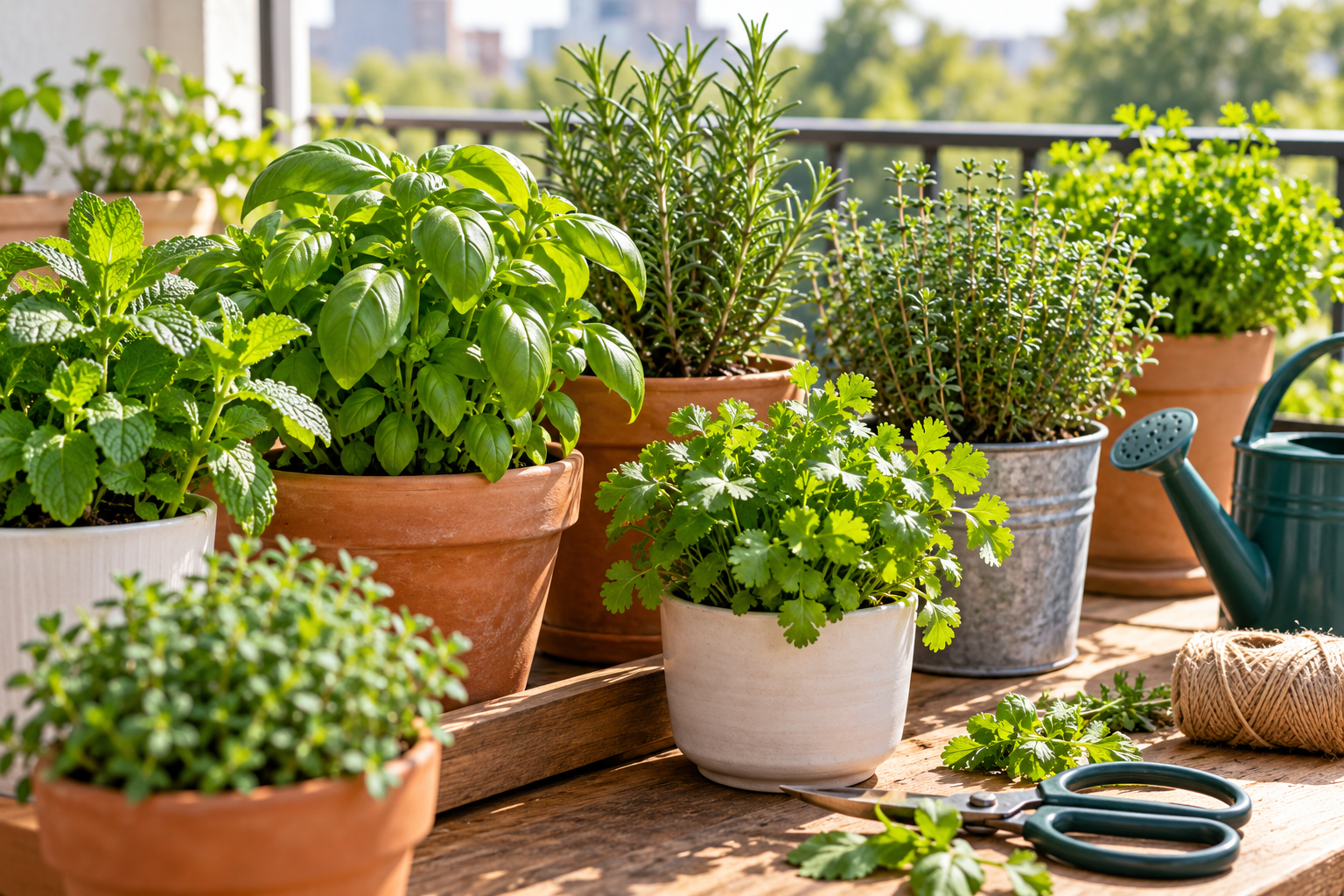
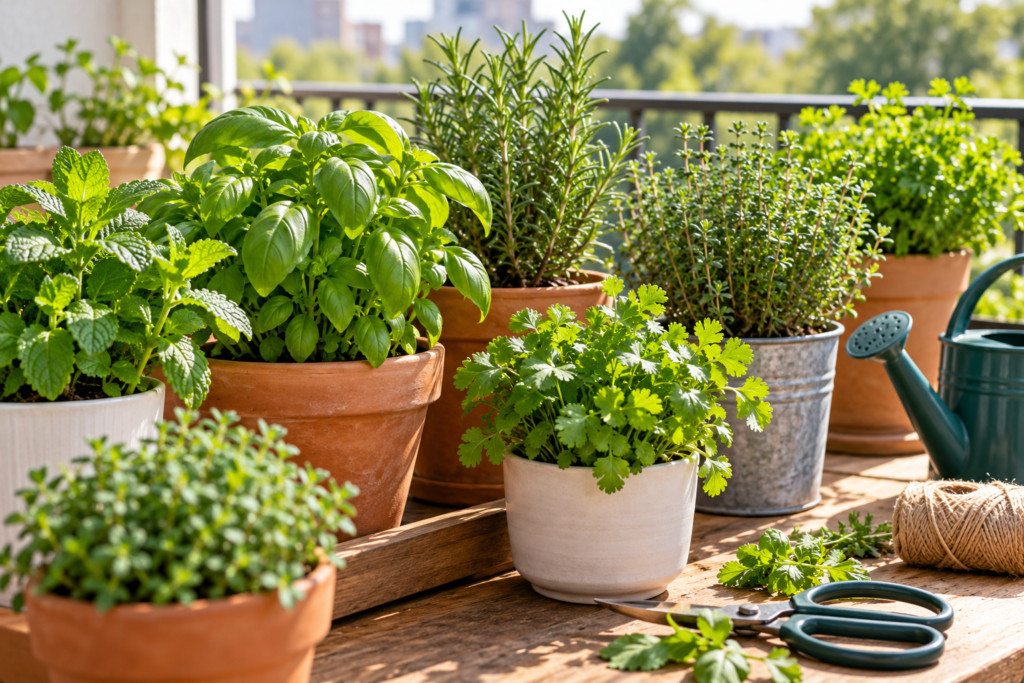
Growing herbs at home is one of the easiest ways to start gardening. I personally think herbs are a great choice for beginners because they do not always require a large garden, expensive equipment, or years of gardening experience. Many herbs can grow happily in small pots on a balcony, kitchen windowsill, patio, or even near a sunny window.
Another thing I like about growing herbs at home is that you can actually use what you grow. Fresh leaves can add flavor to meals, drinks, salads, and homemade recipes. Watching a small plant grow from a seed or cutting into something useful also makes gardening much more enjoyable.
If you are new to gardening and want to know which herbs are easiest to grow, there are several excellent choices. In this guide, I will share some of the best herbs for beginners to grow at home and explain what each plant needs to stay healthy.
Why Herbs Are Good for Beginner Gardeners
Herbs are generally easier to manage than many other plants. Most popular herbs can grow well in containers and do not need a huge amount of space. This makes them suitable for people living in apartments or homes without a traditional garden.
I also find herbs useful because they give beginners an opportunity to learn the basics of plant care. You can practice watering, providing sunlight, checking soil moisture, pruning, and harvesting without needing to manage a large garden.
Many herbs grow relatively quickly when they receive suitable conditions. With regular care, you may be able to harvest fresh leaves while the plant continues producing new growth.
1. Basil
Basil is one of my favorite herbs for beginner gardeners because it grows quickly and provides plenty of fresh leaves. It is especially useful if you enjoy cooking because fresh basil works well in pasta, salads, sauces, sandwiches, and many other dishes.
Basil prefers warm temperatures and plenty of sunlight. A location that receives around six hours of sunlight each day is usually a good choice.
Use a pot with drainage holes and fill it with good quality potting soil. Keep the soil slightly moist, but avoid keeping it constantly wet. Water when the surface begins to feel dry.
Regular harvesting can actually encourage basil to produce more branches. I recommend removing the leaves or stems carefully instead of taking too much from the plant at one time.
2. Mint
Mint is another excellent herb for beginners. It grows vigorously and can adapt to different growing conditions. It is commonly used in drinks, salads, sauces, desserts, and homemade teas.
One important thing I have learned about mint is that it can spread very quickly. Because of this, I prefer growing mint in a separate container rather than planting it directly in the garden.
Mint likes moist soil and usually performs well with bright light. It can tolerate some partial shade, although good light generally helps it produce healthy growth.
Do not allow the soil to become completely dry for long periods. At the same time, make sure the pot has proper drainage so excess water can escape.
3. Parsley
Parsley is a useful herb that beginners can grow in containers or garden beds. It has attractive green leaves and can be harvested gradually as needed.
Parsley prefers a location with good sunlight, although it can tolerate some partial shade. The soil should be fertile and well drained.
One thing to remember is that parsley can take longer to germinate than some other herbs. This does not necessarily mean something is wrong. Give the seeds enough moisture, warmth, and time.
Once the plant becomes established, harvesting the outer stems can encourage continued growth.
4. Chives
Chives are among the easiest herbs to grow at home. They have thin green leaves and produce attractive flowers when allowed to mature.
I like chives because they require relatively simple care. They can grow in containers and do well in a sunny location. Keep the soil moderately moist and avoid allowing water to remain around the roots.
You can cut the leaves whenever you need them. It is best to leave some growth on the plant so it can continue producing new leaves.
Chives are useful in soups, eggs, salads, potatoes, sauces, and many other meals. Their mild onion flavor makes them a convenient herb to have close to the kitchen.
5. Oregano
Oregano is a good choice if you want an herb that does not require constant watering. It prefers well drained soil and plenty of sunlight.
I recommend allowing the soil to dry slightly between watering sessions. Overwatering can create problems for oregano because its roots do not like sitting in wet soil for extended periods.
Oregano can become bushy when it receives enough sunlight. Regular harvesting also helps you control its shape and encourages fresh growth.
It is especially popular in Italian and Mediterranean style cooking and works well with vegetables, sauces, pizza, and grilled dishes.
6. Thyme
Thyme is another herb that I would recommend to beginners, especially those who sometimes forget to water their plants. It generally prefers relatively dry conditions compared with herbs such as mint.
Thyme grows best with plenty of sunlight and well drained soil. Choose a container that has drainage holes and avoid watering it too frequently.
Because thyme has a compact growth habit, it can work well in small containers. Its leaves can be harvested as needed for cooking.
With enough sunlight and proper drainage, thyme can remain attractive while providing fresh leaves for your kitchen.
7. Rosemary
Rosemary is a popular herb with a strong aroma and many culinary uses. Although it can take some time to become established, it is not difficult to maintain once you understand its basic needs.
The most important thing I would suggest is avoiding excessive watering. Rosemary prefers well drained soil and plenty of sunlight. Allow the soil to dry somewhat between watering.
A sunny balcony, patio, or bright window can be a suitable location. Rosemary can grow into a larger plant over time, so giving it enough space is helpful.
You can harvest small sprigs whenever needed. Regular light pruning can also help maintain a neat shape.
8. Cilantro
Cilantro is a useful herb for people who enjoy fresh flavors in cooking. It can be grown from seeds in containers and does not require a large amount of space.
Cilantro prefers cooler growing conditions compared with herbs such as basil. Give it good sunlight and keep the soil reasonably moist without making it waterlogged.
One thing beginners should know is that cilantro can quickly produce flowers when temperatures become too warm. Once it flowers and produces seeds, the leaves may change in flavor.
For a continuous supply, I recommend planting small amounts of cilantro at different times instead of planting everything at once.
9. Sage
Sage is a hardy herb that can be a good addition to a beginner herb garden. It has soft, textured leaves and prefers sunny conditions.
Sage does not like constantly wet soil, so good drainage is important. Water it when the soil begins to dry rather than following a strict daily watering schedule.
The leaves can be harvested in small amounts and used in different recipes. Sage can also become a beautiful addition to a container garden because of its attractive foliage.
10. Dill
Dill is another herb worth trying if you want to grow something from seed. It grows relatively quickly under suitable conditions and has delicate leaves with a distinctive aroma.
Dill likes plenty of sunlight and reasonably fertile soil. Keep the soil lightly moist while the seedlings are becoming established.
Because dill can grow taller than some other herbs, choose a container with enough depth and place it somewhere protected from strong winds.
You can harvest young leaves for cooking. If you allow some plants to mature, they may produce seeds that can also be useful in the kitchen.
Choosing the Right Containers for Herbs
You do not need expensive containers to grow herbs at home. Almost any suitable container can work as long as it is clean, large enough for the plant, and has drainage holes.
The size of the pot depends on the herb. Smaller herbs can usually grow comfortably in smaller containers, while rosemary and other larger herbs may need more space.
I always consider drainage one of the most important things when choosing a pot. Without proper drainage, excess water can remain around the roots and cause problems.
How Much Sunlight Do Herbs Need?
Most culinary herbs prefer bright light. Basil, oregano, thyme, rosemary, sage, and dill generally perform well when they receive plenty of sunlight.
If you are growing herbs indoors, place them near a bright window. Turn the containers occasionally so different sides of the plant receive light.
If your herbs become weak, pale, or unusually stretched, insufficient light may be one possible reason.
Watering Beginner Herb Plants
Watering is one of the most common areas where new gardeners make mistakes. More water does not always mean healthier plants.
Before watering, check the soil with your finger. If the upper layer feels dry, it may be time to water. If it is still noticeably moist, you may be able to wait.
Different herbs have different moisture requirements. Mint generally likes more moisture, while rosemary, thyme, oregano, and sage prefer better drainage and less frequent watering.
Common Mistakes to Avoid
One mistake I often see beginners make is planting too many herbs in one small container. Crowded plants compete for water, nutrients, light, and space.
Another common mistake is overwatering. It is better to understand the moisture needs of each herb instead of watering everything according to the same schedule.
Poor sunlight can also affect growth. Even easy herbs need suitable light to produce strong leaves.
Finally, do not harvest too aggressively. Taking too much foliage at once can weaken a young plant. Harvest gradually and allow the plant enough leaves to continue growing.
Start With a Few Herbs
If you are completely new to gardening, I would not recommend starting with ten different herbs at once. Begin with two or three plants and learn how they respond to your growing conditions.
Basil, mint, chives, parsley, and oregano are excellent starting choices. Once you become comfortable with watering, sunlight, harvesting, and pruning, you can add rosemary, thyme, sage, cilantro, and dill.
The best herbs for beginners are not necessarily the same for everyone. Your climate, available sunlight, container size, and daily routine all make a difference.
Final Thoughts
Growing herbs at home can be a simple and rewarding way to begin gardening. You do not need a large backyard or expensive equipment to enjoy fresh herbs. A few containers, good soil, suitable sunlight, and regular care can be enough to create a small home herb garden.
In my experience, the most important thing is to start small and pay attention to your plants. Every herb can teach you something about gardening. Once you understand how your plants respond to sunlight, water, soil, and harvesting, caring for them becomes much easier.
If you are choosing your first herbs, basil, mint, chives, parsley, oregano, thyme, rosemary, cilantro, sage, and dill are all worth considering. Start with the herbs you are most likely to use in your kitchen, give them suitable growing conditions, and enjoy watching your small garden develop over time.