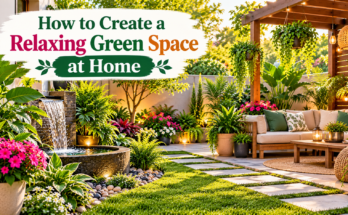
An empty corner can make a garden look unfinished, even when the rest of the space is well maintained. I have found that garden corners are often some of the most useful areas because they can be turned into attractive plant displays, relaxing spaces, or practical areas for gardening activities. Instead of leaving these spaces unused, I prefer to look at them as opportunities to add more character to the garden.
You do not need a large budget or complicated landscaping ideas to improve an empty garden corner. With the right plants, containers, seating, or decorative elements, even a small corner can become an important part of the overall garden design.
In this article, I will share some of the best ways to use empty corners in a garden and explain how you can choose an idea that works with your available space.
Create a Small Planting Area
One of the easiest ways to use an empty garden corner is to create a small planting area. You can prepare the soil and grow several plants together to create a natural looking corner garden.
I recommend choosing plants according to the amount of sunlight the corner receives. A sunny corner can be used for flowering plants, herbs, or vegetables, while a shaded corner may be better for plants that tolerate lower light conditions.
You can combine plants with different heights to make the space look more interesting. Taller plants can go toward the back, medium sized plants can fill the middle, and smaller plants can be placed near the front.
This simple arrangement can make an empty corner look full without requiring too much space.
Add Tall Plants
Tall plants are particularly useful when you want to make better use of vertical space. An empty corner can sometimes look bare because there is nothing drawing the eye upward.
Plants with an upright growth habit can solve this problem. Depending on your climate and garden conditions, you can consider ornamental grasses, palms, bamboo varieties, or tall flowering plants.
Before planting anything tall, I suggest checking its mature size. A plant that looks small at the garden center may eventually become much larger. Giving it enough room from the beginning can prevent overcrowding later.
Use Decorative Plant Pots
If the soil in your garden is poor or you do not want to create a permanent planting bed, decorative pots are a great option.
You can place several pots of different sizes in an empty corner. I like using a combination of tall pots, medium containers, and smaller pots because it creates different levels.
Containers also give you more flexibility. If you want to change the appearance of the garden later, you can move the pots to another location.
When selecting containers, make sure they have drainage holes. Excess water can damage plant roots, especially when containers are placed outdoors.
Create a Small Seating Corner
An empty corner can also become a peaceful place to sit. Even a simple chair or small garden bench can make a noticeable difference.
You can place a bench against a wall or fence and surround it with plants. This creates a small relaxing area without taking up much of the garden.
I think this is especially useful if you enjoy spending time outdoors. A quiet corner surrounded by greenery can become a nice place for reading, drinking tea, or simply enjoying the garden.
Choose outdoor furniture that can handle your local weather conditions. You should also leave enough walking space around the seating area so the garden does not feel crowded.
Make a Vertical Garden
Vertical gardening is one of my favorite solutions for small or awkward corners. Instead of using only the floor area, you can grow plants upward.
A trellis, wall planter, hanging planter, or vertical garden frame can help transform an empty corner into a green feature.
Climbing plants can be trained to grow along a trellis. You can also use wall mounted containers for herbs, flowers, or suitable ornamental plants.
A vertical garden is particularly helpful when the corner is narrow but has enough sunlight for plant growth.
Create a Herb Corner
If you enjoy growing useful plants, an empty corner can become a small herb garden. Herbs do not always require a large amount of space, so they are suitable for many garden layouts.
You can grow herbs such as mint, basil, coriander, rosemary, thyme, or parsley depending on your climate and growing conditions.
Containers can be used if you want better control over soil quality and watering. Another benefit of growing herbs in containers is that you can move them when necessary.
A small herb corner can make the garden more practical while still looking attractive.
Add a Flower Display
Flowers can quickly bring life and color to an unused garden corner. You can choose one type of flower for a simple appearance or combine several plants for a more colorful display.
When designing a flower corner, think about blooming seasons. If you choose plants that flower at different times, the corner can remain interesting throughout more of the year.
I also recommend combining different flower heights. Low growing flowers can be planted around the edges, while taller plants can be placed toward the back.
The key is not to plant too many varieties without a plan. A simple color scheme can often look more organized than a mixture of too many colors.

Use Garden Stones and Gravel
Not every empty corner needs to contain plants. If a particular area is difficult to maintain, you can create a simple decorative feature using stones, gravel, or pebbles.
This can work especially well in corners where grass does not grow properly.
You can place decorative stones on the ground and add a few containers or larger plants. This creates a low maintenance garden corner while still making the area look intentional.
Gravel can also help define the space and create a visual difference between the corner and the rest of the garden.
Create a Small Rock Garden
A rock garden can turn an unused corner into an attractive landscape feature. You can combine rocks of different sizes with plants that are comfortable in well drained soil.
Succulents and other suitable low maintenance plants can work well in this type of arrangement, depending on your local climate.
I would start with a few larger rocks and then add smaller stones around them. After that, place plants between the rocks rather than covering the entire area with plants.
The goal is to create a natural looking arrangement instead of making the corner appear overly crowded.
Add Hanging Plants
If your empty corner has a suitable wall, pergola, fence, or overhead structure, hanging plants can make excellent use of the available space.
Hanging baskets can bring plants above ground level and add another layer to the garden. This is especially useful when the floor area is limited.
You can use flowering plants for color or trailing plants for a softer appearance. Just remember that hanging containers may dry out faster than plants growing directly in the ground, so regular watering may be necessary.
Turn the Corner Into a Compost Area
A garden corner can also serve a practical purpose. If you have enough space, you can create a small composting area.
Compost can provide useful organic material for your garden while helping you make better use of certain household and garden waste.
A compost bin should be placed somewhere convenient but not directly in the main view of the garden if appearance is important to you.
Make sure the area has suitable drainage and enough airflow. Keeping the compost area organized can make it useful without making the garden look untidy.
Create a Garden Feature With a Trellis
A trellis can give an empty corner structure and provide support for climbing plants. It can also become a focal point in the garden.
You can grow flowering climbers or other suitable vines along the trellis. Over time, the plants can cover part of the structure and create a green backdrop.
Even when the plants are young, the trellis itself can provide visual interest.
Before installing one, make sure it is strong enough for the mature plant. Some climbing plants can become surprisingly heavy as they grow.
Add a Small Water Feature
If your budget and available space allow it, a small water feature can transform an empty corner into a relaxing garden area.
You do not need a large pond. A small fountain or compact water feature may be enough to create a focal point.
Surrounding the feature with suitable plants and stones can make the corner feel more natural.
However, water features require maintenance. You should consider cleaning, water replacement, and safety before adding one to your garden.
Use Lighting to Highlight the Corner
Garden lighting can make an unused corner attractive after sunset. Solar lights are a simple option because they generally do not require complicated wiring.
You can use small lights around plants, along a garden path, or near a seating area.
Lighting can also highlight a tree, decorative pot, rock garden, or other feature. I prefer using lighting as an accent rather than making the entire garden extremely bright.
A few carefully placed lights can create a warm and comfortable atmosphere.
Make a Small Garden Path
Sometimes an empty corner is actually an opportunity to improve movement through the garden. You can create a small path using stepping stones, gravel, or other suitable materials.
A curved path can make a small garden feel more interesting because it encourages you to explore different areas.
You can place plants along both sides of the path to create a natural border. Make sure the path is wide enough to walk through comfortably and that the surface is stable.
Keep the Corner Simple
One mistake I often see in garden design is trying to fill every empty space with too many things. An empty corner does not necessarily need several plants, decorations, furniture, and lights at the same time.
Sometimes one attractive plant in a beautiful container is enough.
Before adding anything, look at the size, sunlight, soil, drainage, and surrounding plants. Then choose one main purpose for the corner.
This approach can help the garden look organized rather than overcrowded.
How to Choose the Best Idea for Your Garden Corner
The best garden corner idea depends on your space and lifestyle. Start by observing the corner for a few days.
Check how much sunlight it receives and whether water collects there after rain. Think about whether you want a decorative feature, a relaxing space, or something practical.
If the corner receives plenty of sunlight, you have many options for flowers, herbs, vegetables, and sun loving ornamental plants.
For shady corners, choose plants that can tolerate lower light rather than forcing sun loving plants to grow there.
You should also consider how much maintenance you are willing to provide. If you have limited time, containers, decorative stones, and low maintenance plants may be better choices.
Final Thoughts
Empty corners in a garden do not have to remain unused. With a little planning, they can become beautiful and useful parts of your outdoor space.
You can create a small planting area, add decorative pots, grow herbs, install a trellis, create a seating corner, use hanging plants, or even design a simple rock garden. The right choice depends on your garden size, sunlight, soil, budget, and personal preference.
In my opinion, the most important thing is to avoid filling a corner simply because it is empty. Think about what the garden actually needs. A well placed plant, a comfortable chair, or a simple decorative feature can sometimes have a greater impact than a complicated design.
With a little creativity, even the most forgotten garden corner can become one of the most attractive parts of your outdoor space.